Key Takeaways
- Mildew on walls thrives in damp, poorly ventilated areas and poses health risks like respiratory issues and allergies.
- Effective mildew removal involves protective gear, natural or chemical cleaners, and thorough drying.
- Prevent mildew by improving ventilation, fixing leaks promptly, using dehumidifiers, and scheduling professional house mould inspections.
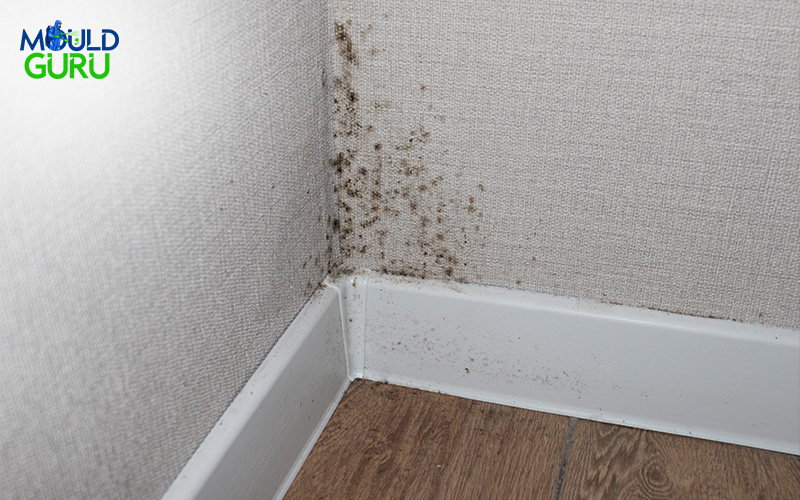
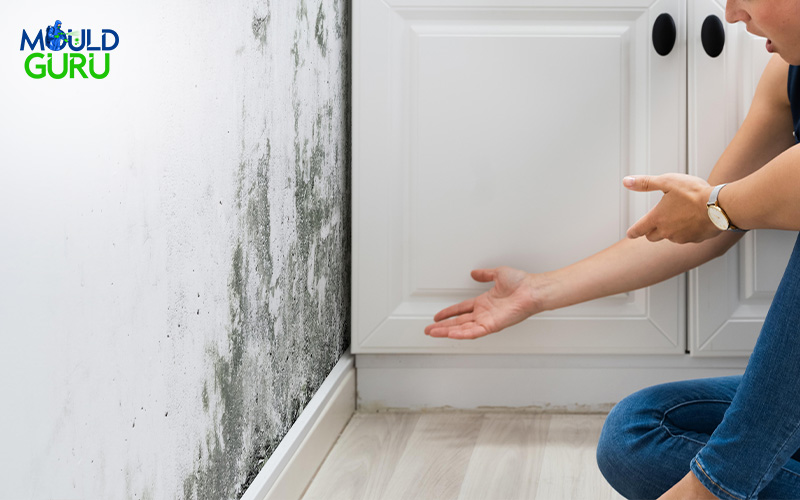
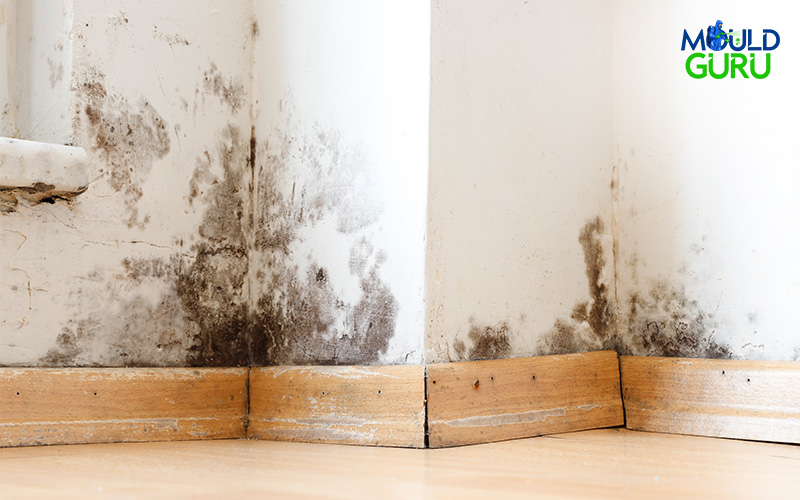
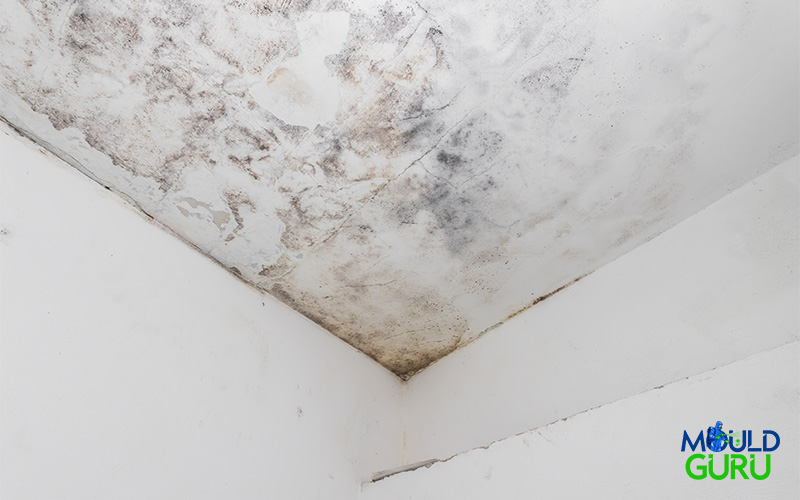
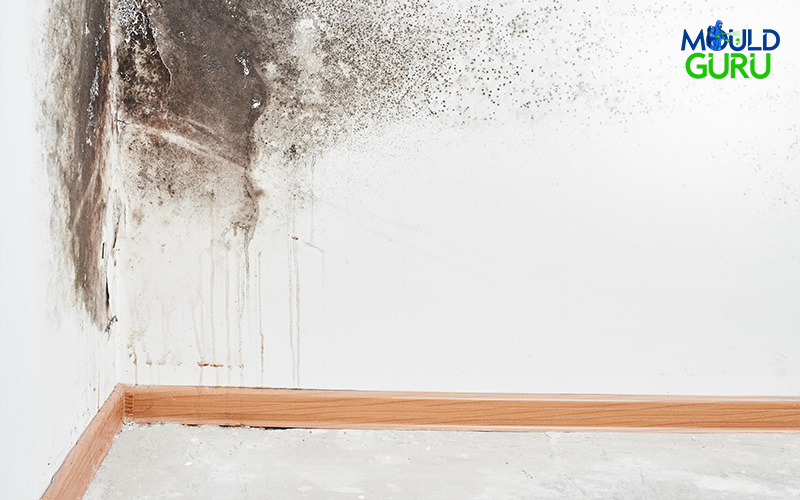
Mildew on walls is more than just an unsightly problem. It can also pose serious health and structural risks if left untreated. But what exactly is mildew? Mildew is a type of fungus that thrives in damp, humid environments. It appears as a thin, patchy growth, often in shades of grey, white, or black, and tends to grow flat against surfaces like walls, ceilings, or tiles.
Understanding how mildew forms is also the first step in learning how to remove black mould effectively. While mildew and black mould can appear similar, both usually signal excess moisture and poor ventilation in the home, which must be addressed to prevent the growth from spreading or returning.
Whether you’re dealing with a few small patches or a widespread outbreak, understanding the root causes and how to address them is key to maintaining a healthy home environment. In this article, we’ll walk you through why mildew forms, what it can do to your health, and how to remove and prevent it for good.
1. Understanding the Causes of Mildew on Walls
Mildew thrives in damp, humid environments. In Singapore’s tropical climate, it’s not uncommon for homeowners to find mildew on walls, especially in poorly ventilated areas like bathrooms, kitchens, and storerooms.
The most common culprits behind mildew growth are:
- Excess moisture from high humidity or condensation
- Water leaks from pipes, roofs, or window seals
- Poor ventilation, which prevents moisture from escaping
- Inadequate insulation, allowing warm indoor air to meet cold surfaces and cause condensation
Once these conditions are in place, mildew spores quickly latch onto surfaces and begin to spread.
2. Health Concerns Linked to Mildew Growth
While mildew may seem harmless at first glance, prolonged exposure can lead to a range of health issues, particularly for young children, the elderly, and those with weakened immune systems. Common symptoms linked to mildew exposure include:
- Respiratory problems like coughing, wheezing, and asthma flare-ups
- Skin irritation such as rashes or itchy patches
- Allergic reactions, including sneezing, runny nose, and eye irritation
Addressing mildew on walls promptly not only keeps your home looking clean but also protects your family’s well-being.
3. Step-by-Step Guide to Mildew Removal
Removing mildew doesn’t have to be overwhelming. Here’s a simple step-by-step guide to tackle the issue safely:
Protect Yourself:
Wear gloves, a mask, and goggles to avoid contact with spores.
Ventilate the Area:
Open windows and use a fan to improve air circulation during cleaning.
Use Natural Solutions:
For light mildew, mix white vinegar or baking soda with water and scrub gently using a sponge or cloth.
Apply Chemical Cleaners:
For tougher stains, use a mildew-specific cleaner or diluted bleach (1 part bleach to 3 parts water). Test on a small area first.
Rinse and Dry Thoroughly:
Wipe the area with a clean cloth and ensure it’s completely dry to discourage regrowth.
4. Preventing Mildew from Returning
Prevention is the best cure when it comes to mildew on walls. Here are some proactive steps you can take:
Improve ventilation:
Install exhaust fans in bathrooms and kitchens or open windows regularly to let moisture escape.
Use dehumidifiers:
Especially helpful in bedrooms and living areas during humid seasons.
Fix leaks immediately:
Regularly check for and repair any plumbing or roof leaks.
Insulate your home:
Proper insulation can help prevent condensation from forming on walls.
Apply anti-mould paint:
In moisture-prone areas, this adds an extra layer of protection.
Keeping mildew on walls at bay doesn’t require extreme measures—just consistent attention and good home maintenance habits. If you find yourself dealing with persistent mildew despite your best efforts, it may be time to call in the experts. A professional mould removal company can provide a thorough house mould inspection to identify hidden moisture sources and offer lasting solutions tailored to your home.
For reliable and effective mildew and mould control in Singapore, trust the experts at Mould Guru. Our mould specialist offers comprehensive inspections and safe removal services to keep your home dry, healthy, and mould-free.
A dry, fresh-smelling home is not just pleasant—it’s essential for your health and peace of mind. Contact Mould Guru today and take the first step toward a healthier living space!
FAQs about Mildew on Walls
1. How do I tell mildew on walls from normal dirt on surfaces?
Dirt often sits on the surface and wipes away easily, while mildew on walls tends to appear as faint grey or patchy brown spots that spread gradually. You might also notice a musty smell near the affected area, which is a strong sign that moisture has been trapped behind the surface for some time. If the marks return soon after cleaning, you are likely dealing with a moisture driven issue rather than everyday dust.
2. What should I do first when I spot mildew on walls at home?
Try to reduce moisture in the room by increasing ventilation or switching on a dehumidifier. A light wipe with gentle mould cleaning products may remove early surface growth, although this is only a temporary fix. Growth that has settled into paint layers or plaster usually needs proper assessment because the underlying moisture source must be addressed before the stain can be removed safely.
3. When is it acceptable to carry out light mould removal yourself?
Small surface patches of mildew can sometimes be cleaned by homeowners if the area is well ventilated and the growth has not spread. Drying the space and observing the spot for reappearance helps you understand if it was a short term moisture event or something deeper. Larger patches, repeated regrowth or growth in bedrooms should be examined by a mould specialist in Singapore so you do not overlook hidden moisture or poor ventilation.
4. When should I call a professional for mildew?
A professional should step in when the growth keeps returning, covers a wide section of the wall or sits near areas with known leaks or condensation. A trusted mould removal company can check for moisture intrusion, hidden dampness and ventilation shortfalls, allowing them to conduct a thorough mould cleaning. This is important because cleaning the surface alone will not stop the cycle if the root cause remains.
5. Which daily habits secretly cause more mildew on walls?
Common routines such as drying clothes indoors, taking long hot showers without ventilation or placing furniture tightly against walls can trap moisture. These habits cause fungus on walls by raising humidity levels and creating still pockets of air that allow spores to settle. Correcting these patterns reduces the chances of needing a full mould removal service later on.
6. What must you do after removing mildew to prevent its return?
Keep humidity under control, maintain airflow, and monitor any areas that have previously shown signs of mildew. Fixing leaks, improving bathroom ventilation and using a dehumidifier during humid seasons makes a noticeable difference. If you need guidance on prevention or long term solutions, you can enquire now to get personalised advice.