Key Takeaways
- Fungus on walls thrives in Singapore’s humid climate, where trapped moisture, poor airflow, and condensation create ideal conditions for fungal growth.
- Hidden triggers are often the real culprits, such as leaky pipes, porous walls, or furniture blocking ventilation.
- DIY methods may help with minor surface growth. Natural remedies such as vinegar, baking soda, or hydrogen peroxide are often recommended because they can penetrate porous surfaces more effectively than bleach in some situations.
- Professional help is necessary for recurring or severe infestations, as experts use industrial tools and mould-resistant treatments to stop regrowth.
- Long-term prevention is key; regular ventilation, humidity control, and proper wall finishes keep mould and fungus at bay.
Why Fungus on Walls Should Never Be Ignored
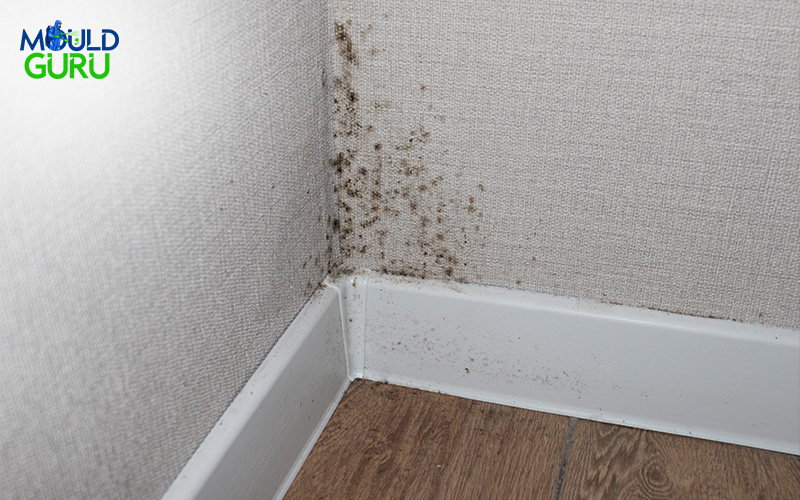
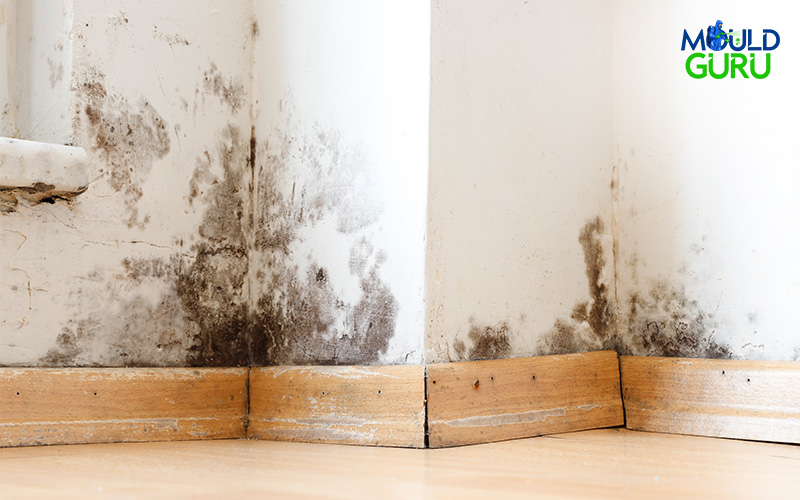
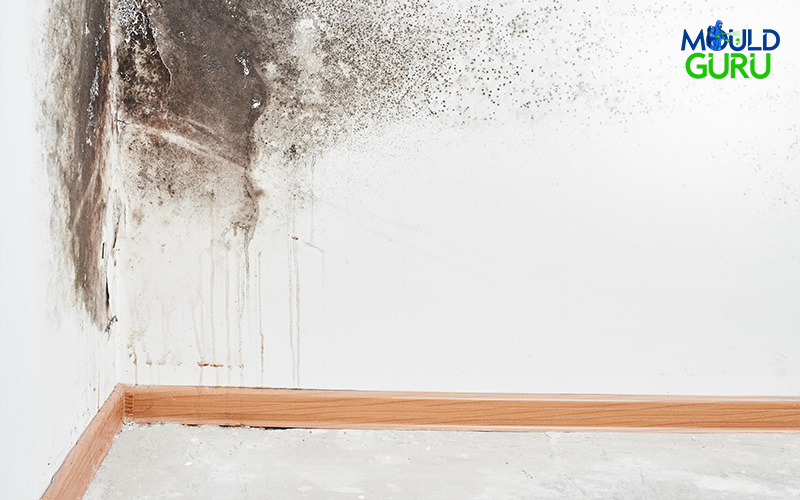
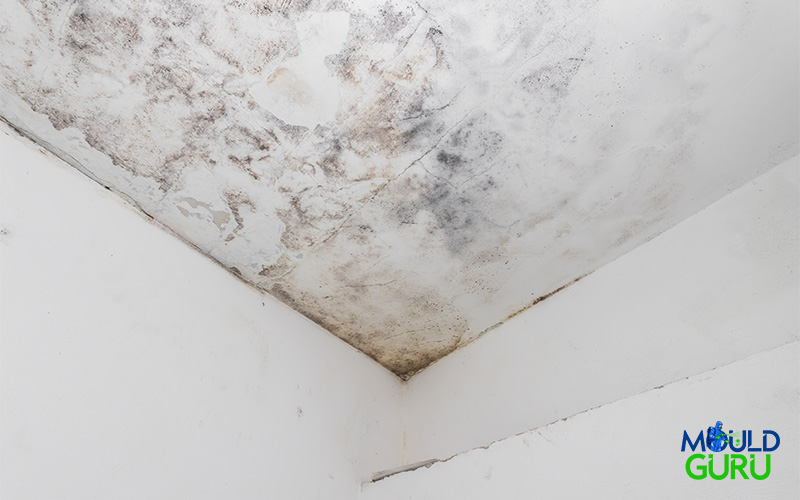
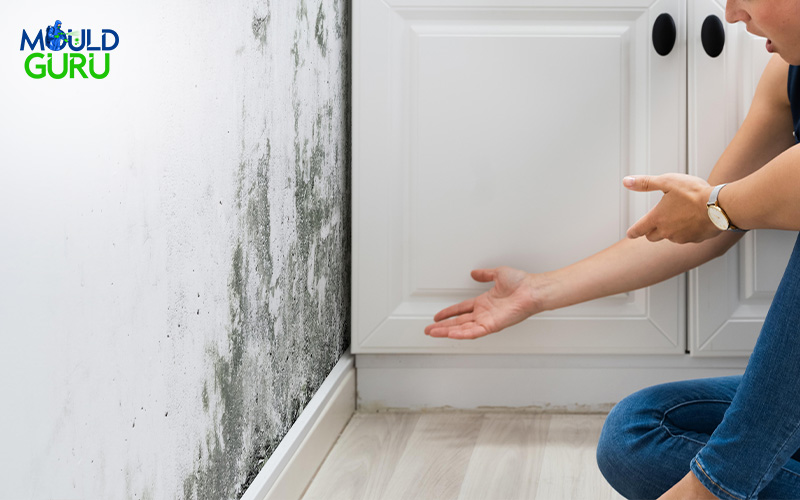
You start noticing a musty smell. Strange spots appear near the ceiling or behind furniture. The paint starts bubbling or discolouring. These may seem like minor annoyances, but they often point to the presence of mould and fungus, which is a deeper problem.
The frustration is real: no matter how many times you scrub, the growth keeps coming back. It’s not just unsightly; it feels like your home is working against you. But the real concern isn’t how it looks; it’s what’s happening beneath the surface. Mould and fungus don’t just stain your home. They release spores into the air that can trigger allergies, worsen asthma, and lead to respiratory issues, especially for children, the elderly, and anyone with weakened immunity. Over time, they can even weaken the structural integrity of your home.
That’s why understanding what you’re up against is so important. In this guide, we’ll walk you through everything you need to know about tackling mould and fungus on walls, including:
- Their root causes, such as Singapore’s climate and other hidden indoor triggers, you might be overlooking
- How humidity and poor airflow contribute, and what simple changes can help manage the risk
- Which DIY methods actually work, and which ones are ineffective or potentially harmful
- When it’s time to call in the professionals, and what to expect from a professional mould removal service
- Whether you’re battling a stubborn spot or simply trying to safeguard your home, this guide will give you the clarity and confidence to deal with outbreaks of mould and fungus effectively.
Whether you’re battling a stubborn spot or simply trying to safeguard your home, this guide will give you the clarity and confidence to deal with mould and fungus on walls effectively.
Hidden Triggers You Never Thought About
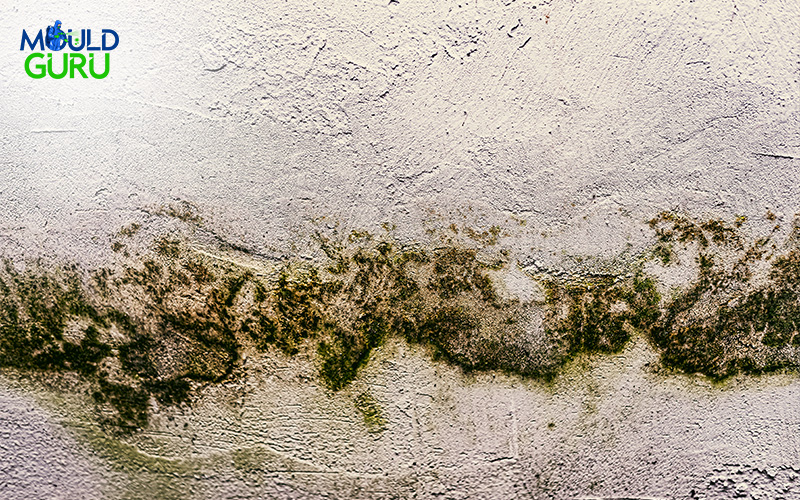
You’ve fixed the obvious—cleaned your walls, improved airflow, maybe even bought a dehumidifier. Yet, somehow, mould and fungus on walls keep coming back. Why? Because the biggest culprits are often the ones you don’t even realise are there. Let’s shine a light on some of these hidden triggers that might be turning your home into a mould and fungal paradise.
1. Leaky Pipes & Hidden Moisture
Not all water damage announces itself with a burst pipe or a puddle on the floor. In many homes, slow leaks behind walls or under sinks go unnoticed for months. This hidden moisture creates a constant damp zone, exactly what mould and fungus on walls need to thrive. Since it’s out of sight, these areas often get zero ventilation or sunlight, which makes fungal growth nearly inevitable.
A sudden patch of discoloured paint or a musty smell could be your only clue. If mould keeps reappearing in the same spot despite cleaning, it’s worth checking for plumbing issues behind the surface.
2. The Dark Side of Indoor Plants
Houseplants have a reputation for improving indoor air quality, but some of them can actually worsen humidity levels. Overwatering, especially in non-breathable pots, releases excess moisture into the air. Add to that the damp soil, which can also become a fungal breeding ground, and you’ve got a recipe for trouble.
While greenery is great, moderation is key. Avoid clustering too many plants in small rooms or placing them directly against walls. If your indoor jungle is contributing to mould and fungus on walls, consider using a moisture meter to monitor the humidity.
3. Porous Walls & Paint Choices
Believe it or not, the very materials used in your home could be working against you. Porous walls—common in older buildings or HDB flats—absorb moisture like a sponge. If the paint used is not mould-resistant, it can trap dampness and encourage fungal growth beneath the surface.
Switching to mould-resistant paint and using sealants on high-risk areas like bathrooms or kitchens can offer a stronger line of defence.
4. Furniture Placement: A Hidden Trap
That giant wardrobe or full-length bookshelf? It might be silently fostering mould and fungus on walls. Large furniture placed directly against walls can block airflow, preventing moisture from escaping. Over time, these hidden pockets of trapped air become warm and damp—ideal for fungus to grow.
Leave at least a small gap between furniture and walls to allow ventilation. Your space—and your walls—will thank you for it.
The DIY Mould and Fungus Removal: What Really Works?
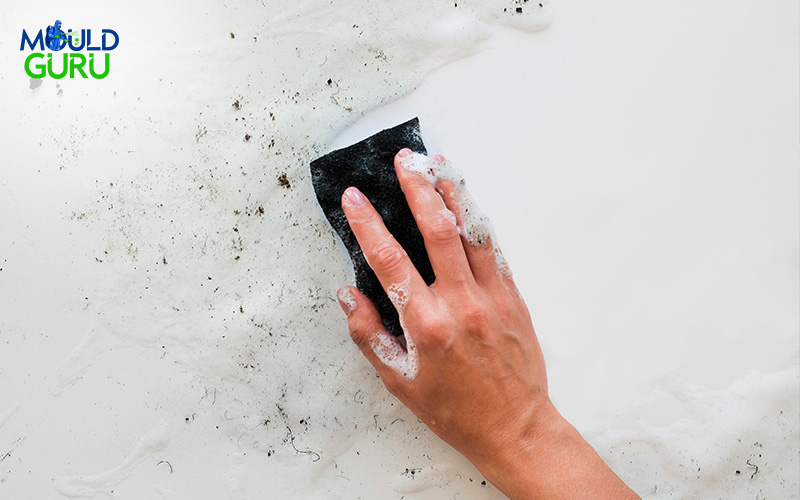
If you’ve spotted those dreaded black or green patches creeping across your interior, your first instinct might be to grab the nearest cleaning product and scrub away. But not all remedies are created equal, and some may even make things worse. Here’s what actually works when tackling mould and fungus on walls using DIY methods.
1. Bleach vs. Natural Remedies
Bleach is often the go-to choice for tackling mould, but it might not be as effective as you think. While bleach can remove surface stains, it doesn’t always penetrate porous materials where the mould roots itself. This means mould and fungus on walls might disappear temporarily, only to return a few weeks later.
Natural alternatives like white vinegar and baking soda are gaining popularity for good reason. Vinegar kills up to 82% of mould species and doesn’t release toxic fumes. Baking soda, on the other hand, helps absorb moisture while gently scrubbing away residue.
2. The Power of Hydrogen Peroxide
One of the most overlooked yet effective ways to combat mould is hydrogen peroxide. A 3% solution sprayed directly onto affected areas can kill bacteria, viruses, and fungi—all without the harmful fumes bleach produces. Leave it on for 10–15 minutes before scrubbing with a stiff brush. It’s especially handy for smaller patches of mould and fungus on walls in bathrooms and kitchens.
3. DIY Fungus-Killing Sprays
Making your own anti-fungal spray is easier than you might think. Mix equal parts white vinegar and water, or combine 1 cup of hydrogen peroxide with 1 teaspoon of tea tree oil for an extra boost. Spray directly onto the affected area and let it sit before wiping or scrubbing gently. These homemade options are effective and safer for kids and pets.
4. Cleaning Techniques That Matter
Scrubbing mould aggressively can release spores into the air, spreading the problem. Always wear gloves and a mask, and clean with slow, deliberate strokes. Open windows and switch on fans to improve ventilation during and after cleaning.
5. Preventive DIY Measures
Consistency is key to preventing a relapse of growth in your home. Always wipe down damp spots immediately, fix leaks promptly, and run dehumidifiers in high-humidity areas. Even opening windows for a few hours a day can help maintain a drier, healthier environment.
Tackling mould and fungus on walls doesn’t always require harsh chemicals or expensive solutions. You can remove existing growth and prevent future outbreaks with the right DIY methods, such as vinegar, hydrogen peroxide, and better cleaning habits. Just remember, consistency and proper ventilation go a long way. For more severe cases, though, it might be time to bring in the pros.
When Fungus on Walls Needs Professional Treatment

Signs the Problem Is More Than Surface-Level
If fungus covers a large area, spreads quickly, or keeps returning after cleaning, it may indicate deeper moisture or structural issues behind the wall. Signs such as persistent musty odours, bubbling paint, or damp patches can suggest hidden growth that extends beyond the visible surface.
When DIY Cleaning Is No Longer Enough
Simple cleaning methods may remove surface stains but often fail to eliminate spores embedded in porous materials or hidden spaces. When fungus repeatedly reappears or spreads to multiple rooms, professional remediation is typically required to address the underlying cause.
Why Professional Inspection Matters
A professional inspection helps identify hidden moisture sources, such as leaks, condensation buildup, or trapped humidity that allow fungus to thrive. Specialists use diagnostic tools and targeted treatment methods to remove contamination safely and prevent it from returning.
Say Goodbye to Mould and Fungus on Walls with Mould Guru
Mould and fungus on walls are more than just unsightly, they’re a persistent threat to your health, home, and overall comfort. From Singapore’s humid climate to hidden triggers like leaky pipes and poor airflow, the causes are often deeper than you think. While DIY solutions can help in mild cases, severe or recurring infestations call for expert attention.
Don’t wait until the damage worsens. If you’re noticing musty odours, dark patches creeping along your walls, or constant reappearances despite your best efforts, it’s time to take serious action by engaging a trusted mould removal company.
At Mould Guru, we specialise in professional mould removal services tailored for Singapore’s unique environment. Our team uses proven, advanced techniques to eliminate mould at its root, and ensure it doesn’t return. Whether you need a full remediation or just a professional assessment, we’re here to help restore your space safely and effectively.
Ready to reclaim your clean, healthy walls? Contact Mould Guru today for a free inspection and take the first step toward a mould-free home.
FAQs about Fungus on Walls
1. What causes fungus on walls to keep coming back after cleaning?
Fungus often returns when the underlying conditions that support growth are not addressed. High humidity, poor ventilation, condensation, or hidden moisture within walls can allow spores to regrow even after surface cleaning. In such cases, professional mould remediation may be necessary to remove the root cause and prevent recurring growth.
2. How can I permanently remove fungus on walls?
Typically, fungi require targeted treatment to fully eliminate spores and stop regrowth. Simple scrubbing isn’t enough, as spores may remain beneath paint or plaster. Our experts share proven methods on how to remove black mould safely, or you can engage our team for professional remediation to ensure your home remains clean and mould-free.
3. Can fungus on walls grow behind paint or wallpaper?
Yes. Fungus can develop beneath paint layers or behind wallpaper when moisture becomes trapped within the wall surface. Over time, spores feed on organic materials such as adhesives, dust, or drywall compounds. A proper mould treatment in Singapore helps detect and treat hidden growth areas rather than just visible stains.
4. How do I know if mould and fungus on walls are affecting my health?
Common signs include persistent coughing, sneezing, skin irritation, or even headaches when you’re indoors. If symptoms improve once you leave the space, it’s likely that mould is impacting your indoor air quality. People with asthma, allergies, or weakened immune systems may be more sensitive to mould spores.
5. Can I just paint over mould and fungus on walls to hide it?
Painting over mould is not recommended. Without engaging a mould specliast in Singapore to remove the source and treat the root cause, mould will continue to grow beneath the surface and eventually reappear, often worse than before. Some paint types may even trap moisture, making the problem harder to solve later.
6. Are fungi always caused by a leak?
Not always. While plumbing leaks and roof damage are common causes, fungus can also appear due to high indoor humidity, condensation from air-conditioning systems, or poor airflow in enclosed spaces. If the source is unclear or the growth spreads quickly, consulting a mould specialist can help identify the moisture source and recommend the right treatment.
Say Goodbye to Mould and Fungus on Walls with Mould Guru
Mould and fungus on walls are more than just unsightly, they’re a persistent threat to your health, home, and overall comfort. From Singapore’s humid climate to hidden triggers like leaky pipes and poor airflow, the causes are often deeper than you think. While DIY solutions can help in mild cases, severe or recurring infestations call for expert attention.
Don’t wait until the damage worsens. If you’re noticing musty odours, dark patches creeping along your walls, or constant reappearances despite your best efforts, it’s time to take serious action by engaging a trusted mould removal company.
At Mould Guru, we specialise in professional mould removal services tailored for Singapore’s unique environment. Our team uses proven, advanced techniques to eliminate mould at its root, and ensure it doesn’t return. Whether you need a full remediation or just a professional assessment, we’re here to help restore your space safely and effectively.
Ready to reclaim your clean, healthy walls? Contact Mould Guru today for a free inspection and take the first step toward a mould-free home.