Key Takeaways
- Black mould commonly develops on walls in damp, poorly ventilated spaces, often triggered by excess humidity, condensation, or hidden leaks in homes.
- It can be mistaken for other growth, such as fungus or mildew on walls, but black mould tends to spread deeper into surfaces and may be harder to address.
- Exposure to black mould may contribute to health concerns such as allergies and respiratory irritation, especially when the growth is left untreated.
- Understanding how to remove black mould safely involves using suitable cleaning solutions, protective gear, and proper preparation of the affected area.
Black mould on walls is more than just an unsightly stain—it’s a signal that your home environment needs attention. In Singapore’s tropical climate, where humidity is a constant companion, mould problems are particularly common. Understanding what causes black mould and how to remove black mould safely and effectively with the help of a professional mould removal company is key to maintaining a healthy home.
1. What Black Mould on Walls Usually Looks Like
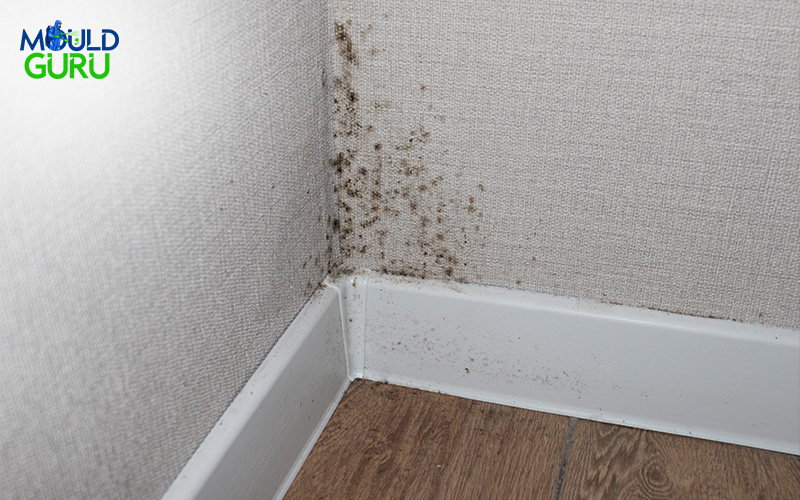
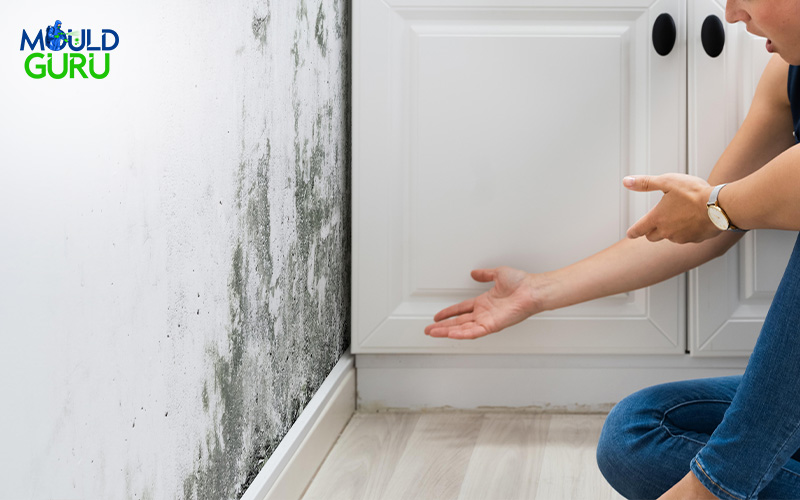
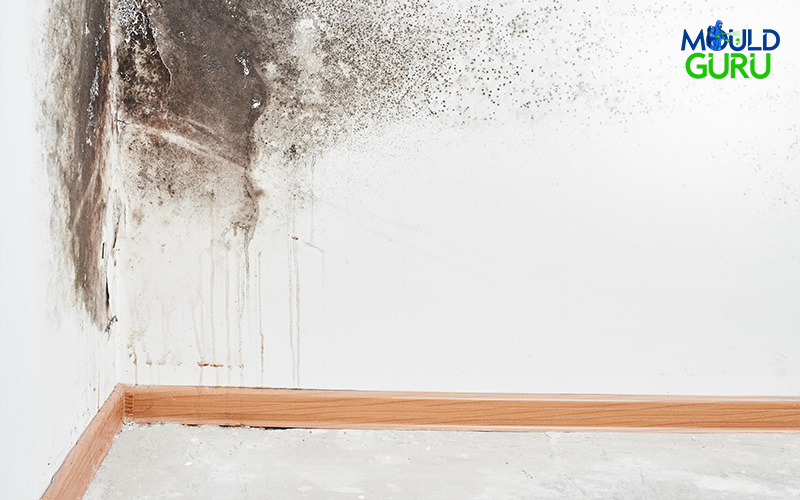
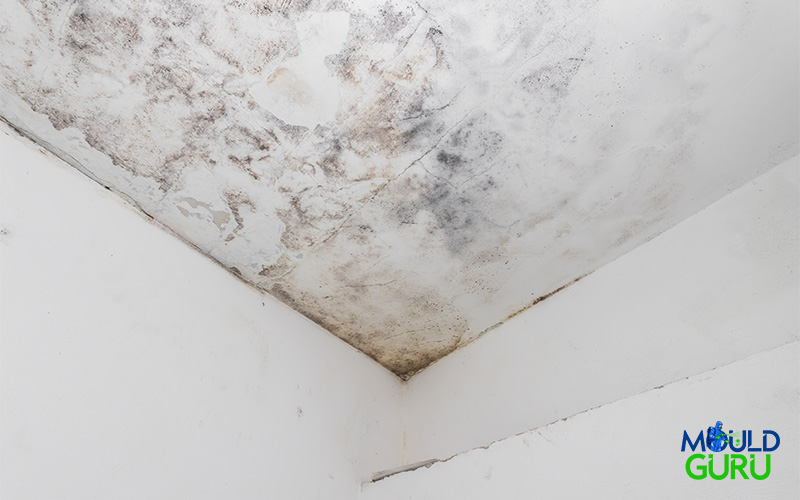
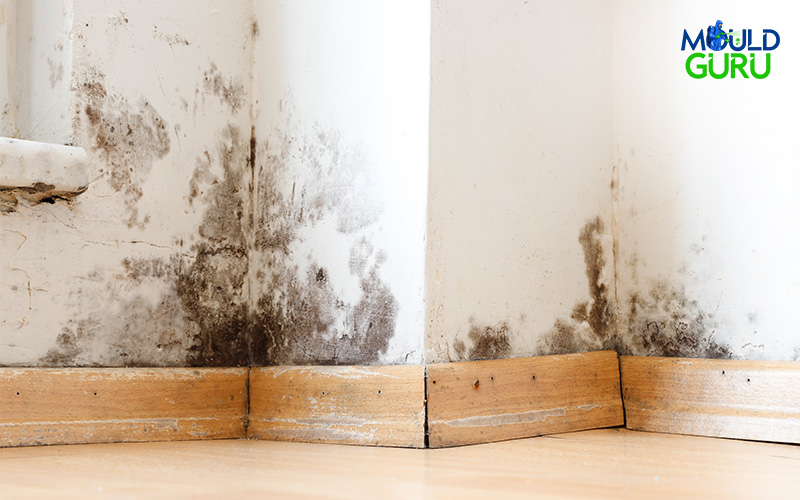
Black mould is a type of fungus that thrives in damp, poorly ventilated spaces such as bathrooms, kitchens, and wall corners. It appears as dark green or black patches and can release spores that affect indoor air quality. Recognising and addressing the issues early is crucial. Learning how to remove black mould properly helps prevent damage to your walls and protects your family’s health in Singapore’s humid climate.
2. How Black Mould Differs From Other Wall Growth
Not all dark patches or stains on walls are the same. Black mould is often mistaken for other types of growth, such as fungus or mildew on walls, but each behaves differently. Black mould usually appears as dark green or black patches that spread irregularly across damp surfaces. It tends to develop in areas with persistent moisture, such as poorly ventilated rooms, bathrooms, or walls affected by leaks and condensation, and may penetrate porous materials like paint or plaster.
In contrast, [mildew on walls] typically appears as lighter grey or white spots that remain mostly on the surface and can sometimes be wiped away if addressed early. Fungus on walls is a broader term that refers to various fungal growths that form when spores settle on damp surfaces, with colours and textures that vary depending on the type. While these growths share similar moisture-related causes, black mould often indicates a more serious and established moisture issue that may require deeper remediation.
3. Health Risks of Black Mould Exposure
Exposure to black mould is not just an aesthetic concern, it can have serious health implications. Mould releases tiny spores into the air, which can be inhaled without you even realising. Prolonged exposure may lead to:
Respiratory Issues:
Coughing, wheezing, nasal congestion, or throat irritation.
Allergic Reactions:
Sneezing, red eyes, skin rashes, and in severe cases, asthma attacks.
Chronic Fatigue and Headaches:
Especially in individuals sensitive to mould or with compromised immune systems.
If someone in your household is experiencing unexplained health symptoms and you suspect mould, it’s worth looking into the cause and addressing it promptly.
4. What You’ll Need to Remove Black Mould
Suitable Cleaning Solutions for Black Mould
Firstly, make sure you have the right tools and solutions to ensure safe and effective cleaning.
For mild infestations, natural options like vinegar, baking soda, or hydrogen peroxide work well on non-porous surfaces such as tiles and glass. However, for tougher stains or deeper growth, commercial mould removers designed for walls or ceilings offer stronger results.
Protective Gear for Safe Black Mould Removal
Wear gloves, a mask, and protective clothing to minimise contact with mould spores and cleaning chemicals. Proper protection helps reduce irritation and exposure during the cleaning process.
How to Prepare the Area Before Cleaning
Before starting, prepare the area by improving ventilation and removing any nearby items that may trap moisture or spores. This helps ensure a safer and more thorough cleaning process when tackling black mould in your home.
5. How to Remove Black Mould from Walls Safely
Wondering how to remove black mould from your walls effectively? Start with these steps:
1. Wear Protective Gear:
Use gloves, a mask, and goggles to avoid contact with spores.
2. Ventilate the Area:
Open windows and doors to allow fresh air to circulate.
3. DIY Cleaning:
Mix white vinegar or baking soda with water in a spray bottle and apply the mixture to the affected area. Let it sit for an hour before scrubbing gently with a brush.
4. Use Mould-Specific Cleaners:
There are eco-friendly commercial solutions available that are tough on mould but safe for home use.
5. Dispose Properly:
Throw out cleaning cloths or brushes used during the process to prevent spores from spreading.
While DIY mould removal methods can be effective for small patches, large infestations or mould behind walls should be handled by a professional mould specialist in Singapore. They’ll assess the root cause and use advanced treatments to eliminate the mould completely.
6. Natural vs Chemical Methods
When it comes to removing black mould, both natural and chemical methods have their advantages. Natural mould removal options like vinegar, baking soda, and hydrogen peroxide are safer for homes with children or pets. They effectively clean mild mould on surfaces, such as tiles or glass, but may not fully penetrate porous materials like drywall or wood.
Chemical cleaners, on the other hand, provide stronger and faster results. They are ideal for severe infestations. However, they must be used with care and proper ventilation. For long-term prevention, professional mould treatment that combines deep cleaning with safe antimicrobial protection is the most effective way to keep your home mould-free.
7. Preventing Future Black Mould Growth
Prevention is always better than cure, especially when it comes to mould treatment. Here’s how to stop it from returning:
Control Moisture:
Use dehumidifiers or air conditioners to maintain ideal humidity levels below 60%.
Improve Airflow:
Keep windows open when possible or install exhaust fans in moisture-prone areas.
Fix Leaks Promptly:
Inspect plumbing and roofing regularly, and repair leaks as soon as they’re detected.
Use Mould-Resistant Paint:
Especially in bathrooms and kitchens, this adds a layer of protection to your walls.
If you find yourself repeatedly searching for how to remove black mould, you’re likely dealing with a persistent issue that needs a professional mould removal service.
To conclude, black mould is more than just a surface issue, it’s a warning sign that your home may be harbouring excess moisture, poor airflow, or hidden leaks. Understanding how to remove black mould is just the first step. For complete peace of mind, professional mould cleaning treatment is often the most effective and long-lasting solution.
So, if you’re battling black mould on your walls, don’t wait for it to get worse. Mould Guru is Singapore’s trusted specialist in mould detection, removal, and prevention. Our team uses safe, effective, and proven techniques to treat the root of the problem, not just the surface.
Contact Mould Guru today for a free assessment and reclaim a clean, healthy living environment—because you deserve to breathe easy.
FAQs about How to Remove Black Mould
1. What causes black mould to form on walls and ceilings?
Black mould thrives in damp, poorly ventilated areas where moisture accumulates, such as bathrooms, kitchens, and ceiling corners. Leaks, condensation, and high humidity in Singapore’s climate make homes particularly vulnerable. Engaging trusted mould removal services in Singapore ensures the root cause is addressed and future growth is prevented.
2. How to remove black mould from painted walls without damaging the surface?
Use mild cleaning agents like vinegar or baking soda for light surface mould. Also, avoid harsh scrubbing that can strip paint. For deeper infestations or recurring mould, professional mould treatment in Singapore is recommended to safely remove spores without damaging your wall finish.
3. What safety precautions should I take before removing black mould?
Always wear gloves, a mask, and protective eyewear. Ensure good ventilation and keep children or pets away from the affected area. If you’re unsure about safety or the extent of contamination, consult a mould specialist in Singapore for professional guidance and inspection.
4. When should I call a professional instead of removing black mould myself?
If the mould covers a large area, has spread behind walls or ceilings, or keeps coming back after cleaning, it’s time to contact a professional. An experienced mould removal company uses industrial-grade tools and non-toxic solutions to eliminate mould completely and prevent regrowth.
5. Are natural cleaning solutions effective for removing black mould?
Natural solutions like vinegar or hydrogen peroxide can work for minor surface growth. However, they may not reach spores embedded deep within materials. For long-term protection and comprehensive results, engage mould removal experts.
6. How dangerous is black mould if not removed quickly?
Prolonged exposure to black mould can lead to respiratory issues, skin irritation, and even anxiety due to mycotoxin inhalation. Over time, it can also cause structural damage to walls and ceilings. If you spot signs of black mould or fungus on walls, act promptly to protect your health and home environment.